A Common Worry for Condo Owners
In most Ontario condos, yes, you should tell your board. Your declaration probably requires it anyway.
Many owners hesitate, worried about gossip, judgment or cost. That worry is normal, and it’s why people keep asking, “do I have to tell my condo board about bed bugs?”
The short answer depends on your corporation’s documents. Condo Authority Ontario tells owners to notify their condo manager or board “immediately” of any infestation. Prep itself can stay completely discreet, and our condo prep service is built around that.
Below, we cover why boards get involved, what your rules likely say, and how to keep the process private. This is general information, not legal advice.
Why Boards Get Involved: Shared Walls
Boards get involved because condo units share walls, floors, ceilings, ducts and hallways. Health Canada notes that “bed bugs move easily from room to room on infested objects,” and in a tower they can move between units too.
Boards are responsible for common elements. They often want to inspect neighbouring units so the problem doesn’t spread. Treating one unit while the neighbour stays affected can mean repeat treatments for everyone.
That’s the main reason condo bed bugs and neighbours are a package deal. One quiet unit can undo a good treatment next door.
What Your Declaration and Rules Say
Check your documents first, because they set your duties. The Condominium Act, 1998, your declaration, by-laws and rules all set out responsibilities. Many corporations:
- Require owners to report pest issues
- Arrange or require inspection of adjacent units
- Set deadlines for treatment and prep
- Set rules for moving items through common areas
- Can enter your unit if needed, after contacting you about the infestation, their plan to enter and the costs
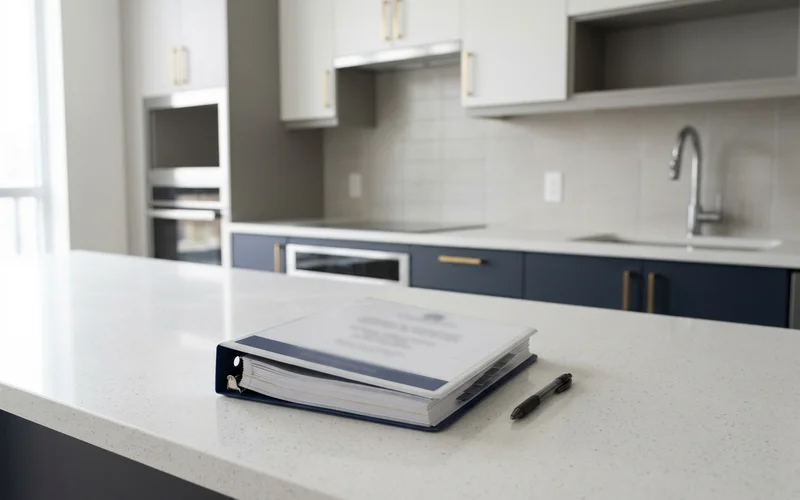
Cost is the part owners miss. Under the Act, when a corporation does repairs on your behalf, it can add those costs to your common expenses. Condo Authority Ontario says owners may be responsible for containing and removing an infestation and for repairing any damage it causes.
Read your documents or ask management. If you’re unsure of your obligations, a lawyer can advise.
The Benefits of Telling the Board
Telling the board early usually saves you money and repeat treatments. Here’s what you get:
| Benefit | Why it helps |
|---|---|
| Neighbours inspected | Stops bugs coming back through the walls |
| Coordinated treatment | One plan, fewer repeat visits |
| Elevator and move support | Easier, cleaner removals |
| Shared costs in some cases | Depends on the declaration |
A board that hears from you first can act on your timeline. A board that hears from a neighbour often acts on theirs.
Keeping Prep Discreet
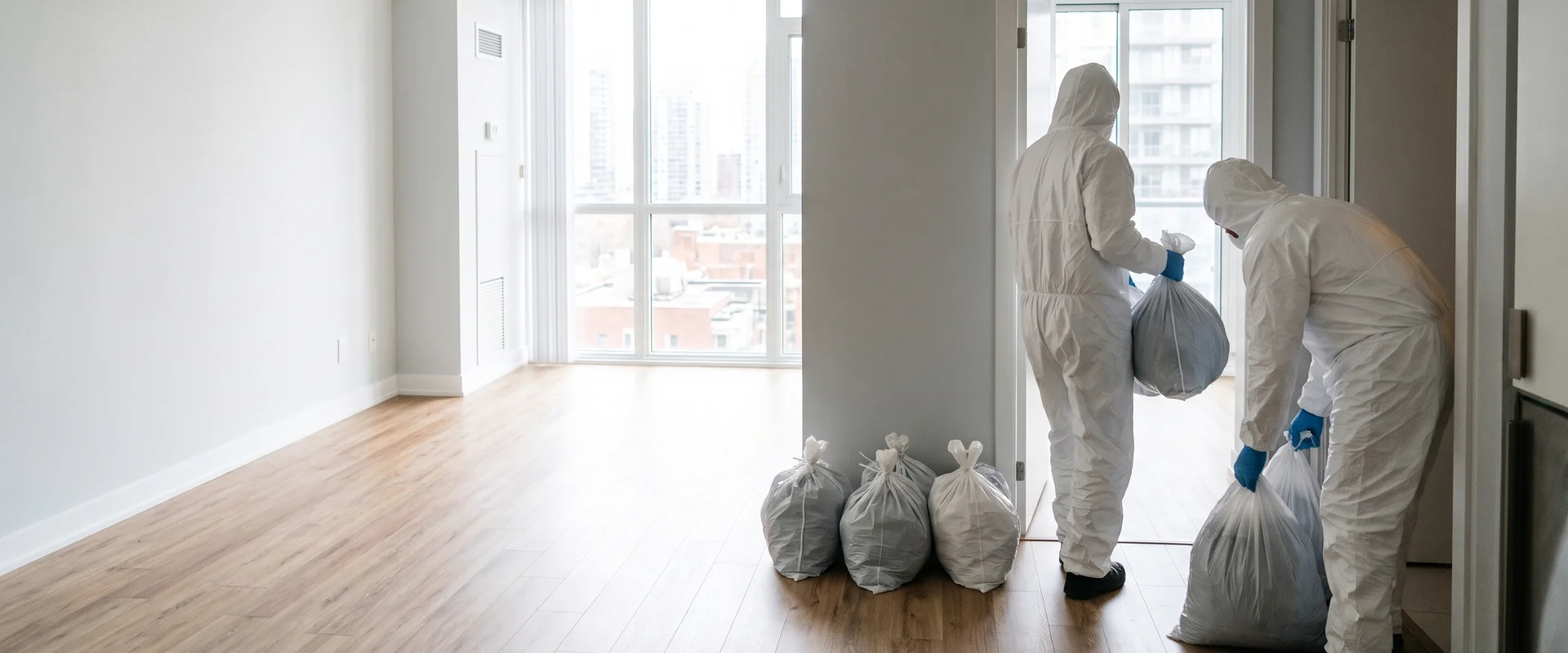
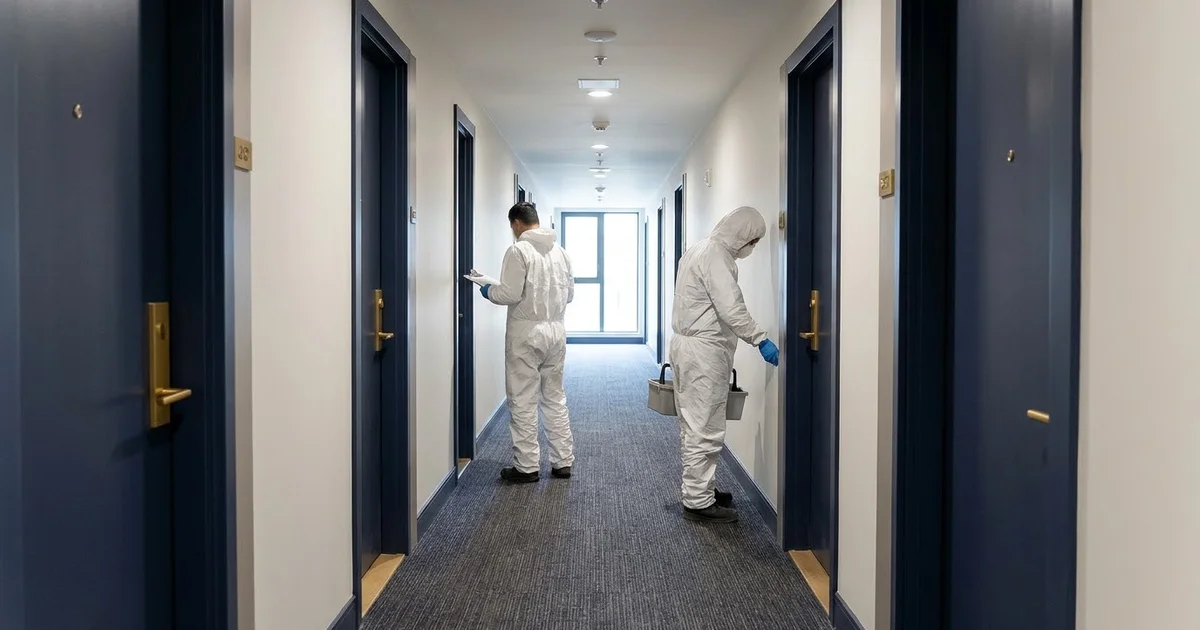
Telling the board does not mean telling the building. Our crews:
- Arrive in unmarked white vans, often via the underground garage
- Wear plain clothes outside and put on Tyvek PPE inside your door
- Carry everything in opaque sealed bags
- Wrap anything that leaves the unit in plastic
- Book the service elevator under a cleaning booking
- Issue an invoice reading “Residential cleaning service”

Residents see a cleaning crew, not a bed bug job. Your privacy stays intact from the lobby to the loading dock.
Moving Furniture Out
Yes, the board’s move rules apply if your exterminator advises removing a mattress or sofa. That usually means booking the elevator and following the building’s rules for common areas.
Plan the timing with management first. Read moving infested furniture out of a Toronto condo for the full steps.
If You Rent Out Your Unit
Yes, you answer to two parties here. As the owner, you are also the landlord. Under the Residential Tenancies Act you generally have maintenance duties to your tenant, including keeping the unit fit for habitation, and you still have obligations to the corporation.
Your tenant should tell you quickly, and you should tell the board just as fast. Coordinate both sides early so neither one hears about it second-hand.
Dealing With the Feeling
You don’t need to feel embarrassed, and boards know it. The City of Toronto puts it plainly: “Anyone can get bed bugs regardless of income or housing, so there is nothing to be embarrassed about.”
Luxury towers get bed bugs as often as older buildings. Boards deal with this regularly, and good managers handle it privately.
Our Role
So, do you have to tell your condo board about bed bugs? In most cases, yes, and doing it early keeps costs and repeat treatments down. We make that conversation easier.
We prep your unit to the board’s deadline and the exterminator’s sheet, quietly, and give you records you can share with management if asked. University of Kentucky Entomology notes bugs hide in “carpet edges, cracks in moulding, outlets, picture frames, and clutter in closets,” which condo built-ins have plenty of. Our crews open them all up so the treatment works the first time.
Read your declaration, then book your condo prep when you’re ready.